

BRIGHTON, N.Y. — When the last coins of their kind rolled off the presses at the U.S. Mint in Philadelphia last month, it marked the end for a piece of currency that, for some, had been a mere afterthought for years. The demise of the penny prompted some coin collectors to give their two cents on the end of the one-cent piece.
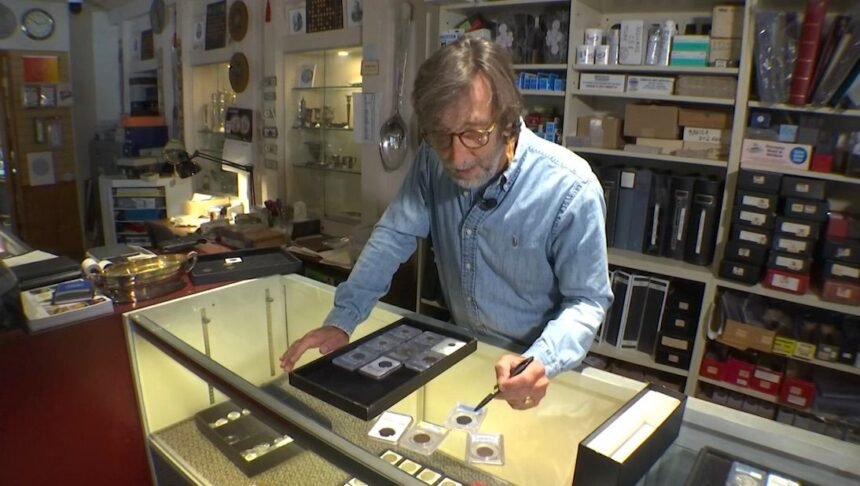
Doug Musinger’s love for coin collecting started young, at a coin shop he visited every weekend as a kid, and he now owns.
“When the coin shop owner retired, I saw it as an opportunity,” said Musinger, owner of Brighton Tokens and Coins. “I cannot wait to get in here, because it's a treasure hunt every day.”
The coin shop is a place to deliver the news about a coin’s worth. Many customers stop by with bags or boxes of old coins, wondering if they have any value.
“They might think that they're valuable. Some of them are. Some of them are not,” said Musinger. “And we're here to put the truth behind it.”
The suburban Rochester shop usually gets a ton of pennies. Literally millions over the years, says Musinger. Especially old wheat pennies. But in recent months, that’s changed.
“They haven't been coming in as often as they were,” he said. “I don't know if it's a coincidence or people starting to hoard their pennies because they think they're going to be worth more.”
It could have something to do with the end of an era. The U.S. Mint stopped production of the one-cent piece in November, after 232 years of making them.
“It's long overdue,” said Musinger
“It hasn’t been a useful coin in a long time,” said numismatist Randy Jones.
That’s why so many sit around in bags, or rolls, or junk drawers.
“People get back pennies, and a lot of times and they don't want them,” said Musinger.
Jones points to Canada, which stopped producing pennies in 2012.
“If you go up to Canada and you happen to have a bunch of Canadian coinage, including a pile of one-cent pieces, you might run into resistance at the local store,” said Jones. “Because the high school kid behind the cash register may never have seen them.”
Musinger says getting rid of the penny makes economic sense. President Trump, in announcing the penny’s end, pointed out that it costs nearly four times more to make a one-cent piece than the coin is actually worth.
It has prompted some people to sift through their own collections, like some sort of treasure hunt.
“Hope springs eternal,” said Jones. “People are hoping they'll find that thousand-dollar coin in that bag of 5,000. They rarely do.”
There are still a lot of pennies out there. The U.S. Treasury estimates 300 billion pennies remain in circulation. Many retailers have experienced a shortage of pennies, and are either rounding up, down or requiring customers to pay exact change for items purchased.
For some, pennies are coins that have long outlived their usefulness.
“It’s a good first step to get rid of the penny,” said Musinger. “I do think so.”